
Tobacco Smoking
Harms lungs, heart, blood vessels, and increases cancer risk.
New interactive lesson
Discover what happens to sugar after you eat. Follow glucose through digestion, your bloodstream, and your cells in an interactive educational journey.
Science & Education
Sugar and Metabolic Health
Explore the everyday factors, body systems, and blood markers involved in metabolic health — through clear, approachable education.

DADDI Science Library
Discover how SWEETSCAPE was formulated, the individual ingredients it contains, and how to read the evidence responsibly. Start with the overview below, or open any dedicated research page for its full educational content and sources.
Education disclaimer: This information is for general nutrition education only and is not intended as medical advice. Always consult a qualified healthcare professional before making changes to your diet, lifestyle, or supplement routine. These statements have not been evaluated by the Food and Drug Administration. Products mentioned are not intended to diagnose, treat, cure, or prevent any disease.
The big picture
Certain lifestyle factors put enormous stress on the body and accelerate health risks. In the U.S., five stand out as the most concerning:
Harms lungs, heart, blood vessels, and increases cancer risk.
Contributes to blood sugar imbalance, weight gain, and long-term organ stress.
Can affect the liver, brain, pancreas, and heart.
Increases risk of high blood pressure and cardiovascular strain.
Amplifies all of the above risks.
Sugar is not “just empty calories.” Long-term excess may contribute to a wide range of health concerns.
Why sugar balance matters
When blood sugar is not well managed, it may influence multiple areas of health. Select a body system to explore the key educational takeaway.

Quick fact: Healthy blood sugar balance supports energy, focus, and long-term well-being. The illustrations and descriptions are for education; they do not show a product treating an organ or disease.
Read your markers
A lipid panel (cholesterol test) plus glucose-related markers provide a more complete picture of overall metabolic health.
When paired with fasting glucose and HbA1c (long-term average blood sugar), these tests help you and your healthcare provider understand overall metabolic balance.
In plain English: these markers help identify potential risks before symptoms appear.
Diabetes stage classification / Educational reference
Diabetes does not develop overnight. It progresses in stages. Tracking both daily glucose (via CGMs) and long-term averages (HbA1c) can help identify concerns early.
The CDC lists HbA1c below 5.7% as the normal reference range. Results should always be interpreted with your healthcare professional.
In plain English: even slightly elevated blood sugar can stress the body over time. Managing early is key. HbA1c reference ranges are educational screening and diagnostic categories, not a measure of SWEETSCAPE results or a self-diagnosis tool.
Inside the formula
Here are select highlights from clinical studies and nutrition research. The ingredients below are featured in Ingredient Research; the current product label is the source of truth for ingredients and amounts.
THE ACTUAL INGREDIENTS
From botanical leaves and roots to seeds, fruits, and essential minerals, explore the eleven ingredients featured in the SWEETSCAPE ingredients guide.
Ingredient illustrations are taken from DADDI Labs' supplied product information sheet and represent ingredient sources, not photographs of standardized extracts.

A botanical studied for its interactions with sweet-taste perception and cravings.

A seed ingredient explored in research on satiety, dietary fiber, and appetite.

A botanical source of corosolic acid, studied in connection with glucose metabolism.

A botanical alkaloid widely studied in research on glucose and metabolic pathways.
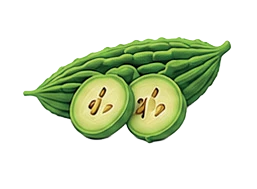
A fruit used traditionally and examined in research on healthy glucose metabolism.

A source of the essential trace mineral chromium, involved in normal macronutrient metabolism.

An apple-derived ingredient investigated in research on mealtime and metabolic responses.

A naturally occurring compound involved in energy metabolism and antioxidant biology.

An extract of Ceylon cinnamon studied for its plant compounds and metabolic context.

A form of magnesium; this essential mineral supports normal muscle and metabolic function.

An ingredient derived from sunflower and rich in phospholipids used in cellular membranes.
Evidence from studies of isolated ingredients does not establish that the complete SWEETSCAPE formula has the same effects. Read Research & References and Formula Philosophy for context.
Why this matters for you
Balanced blood sugar can help support:
SWEETSCAPE, DADDI™ was formulated to include multiple well-studied ingredients that together support sugar balance, appetite control, and overall wellness.
The DADDI standard
FDA disclaimer: This content is for education only. It is not intended to diagnose, treat, cure, or prevent any disease. Always speak with a healthcare provider before using dietary supplements. Facility registration does not mean FDA approves the product.
FAQ: Quick answers
Studies suggest berberine may help reduce HbA1c and support healthier fasting glucose. Research on an isolated ingredient is not proof of how the full SWEETSCAPE formula performs.
Research indicates cinnamon may support insulin sensitivity and help manage blood sugar. Cinnamon supplements are not a treatment for diabetes and should not replace prescribed care.
Gymnema may help reduce sugar cravings by dulling the perception of sweetness. Effects can vary, and no result is guaranteed.
Some studies suggest ACV may help reduce post-meal blood sugar increases. Evidence varies with preparation and study conditions.
Science library / In-depth learning
DADDI Labs approaches sugar cravings, appetite, glucose metabolism and everyday energy as connected but distinct topics. This guide introduces the reasoning behind the SWEETSCAPE ingredient selection and explains how to interpret research responsibly. Every topic below is written as readable page text, with links to its dedicated research page for more detail.
Research pathway 01
Sugar cravings can be influenced by meal patterns, sleep, stress, eating habits and the way the body handles carbohydrates. Cravings are not a diagnosis, and they do not always indicate a blood sugar problem. A balanced diet and consistent lifestyle habits provide the foundation for managing them.
SWEETSCAPE combines ingredients discussed in nutrition research across several overlapping subjects rather than concentrating on one isolated ingredient. The intended areas of general nutritional support include:
The formula is intended to accompany healthy eating and activity, not replace individualized medical care, glucose testing or prescribed treatment.
Read How SWEETSCAPE WorksResearch pathway 02
The formula includes botanical extracts, minerals and other compounds with different roles. Knowing the distinction between an ingredient's established nutritional function, preliminary research and evidence for a finished supplement is important.
Results from an individual ingredient at a studied dose cannot automatically be applied to the amounts in SWEETSCAPE or to the combined formula. See the product label for the exact Supplement Facts and ingredient amounts.
Read Ingredient ResearchResearch pathway 03
DADDI Labs selected a multi-ingredient approach because cravings and metabolic wellness do not depend on one biological process. Hunger, taste perception, meal composition, carbohydrate handling and lifestyle can influence one another without being the same thing.
The formulation philosophy is organized around complementary research interests, ingredient familiarity, and a practical capsule routine. It is not designed to suggest that combining more ingredients automatically creates a stronger clinical effect.
Adults taking medication or managing a medical condition should discuss supplements with a qualified healthcare professional, particularly when medications affect blood glucose.
Read Formula PhilosophyResearch pathway 04
Scientific evidence comes in different forms. Government health resources and systematic reviews can help provide context, while individual experiments may be preliminary or limited to specific groups and doses. A study on one isolated ingredient does not validate a finished multi-ingredient supplement.
When considering an ingredient claim, ask four questions:
The separate Research & References page currently describes sources by category and notes that its ingredient-specific bibliography is still being expanded. It should not be represented as a completed collection of verified clinical citations.
Explore Research & ReferencesThe educational descriptions above explain why certain subjects and ingredients are researched. They are not claims that SWEETSCAPE has been clinically proven to change HbA1c, treat diabetes, prevent disease, or deliver the same findings observed in studies of isolated ingredients. Individual circumstances, medications, and health history matter. Follow product directions and consult a healthcare professional when appropriate.